Fiber Laser Cutting in Modern Industrial Manufacturing: Precision, Productivity, and the Case for Integrated Automation
Abstract
The industrial manufacturing landscape is undergoing a significant transformation, driven by the imperative for higher precision, faster throughput, and greater material flexibility. Fiber laser cutting technology has emerged as a cornerstone of this evolution, replacing traditional mechanical and plasma-based methods across diverse sectors—from automotive and aerospace to furniture and signage. This article examines the current state of the fiber laser cutting market, presents a comparative analysis of key equipment parameters, and explores the role of integrated automation solutions in optimizing production workflows. Drawing on the technical capabilities of manufacturers like ROCLAS® MACHINERY CO., LTD., we discuss how modern laser systems are reshaping fabrication economics and quality standards.
---
Industry Background and Market Dynamics
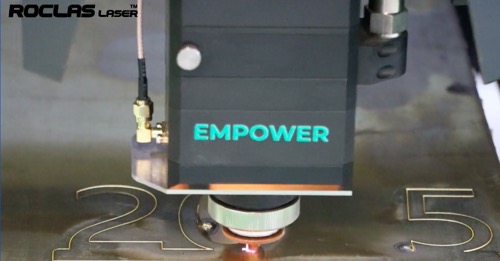
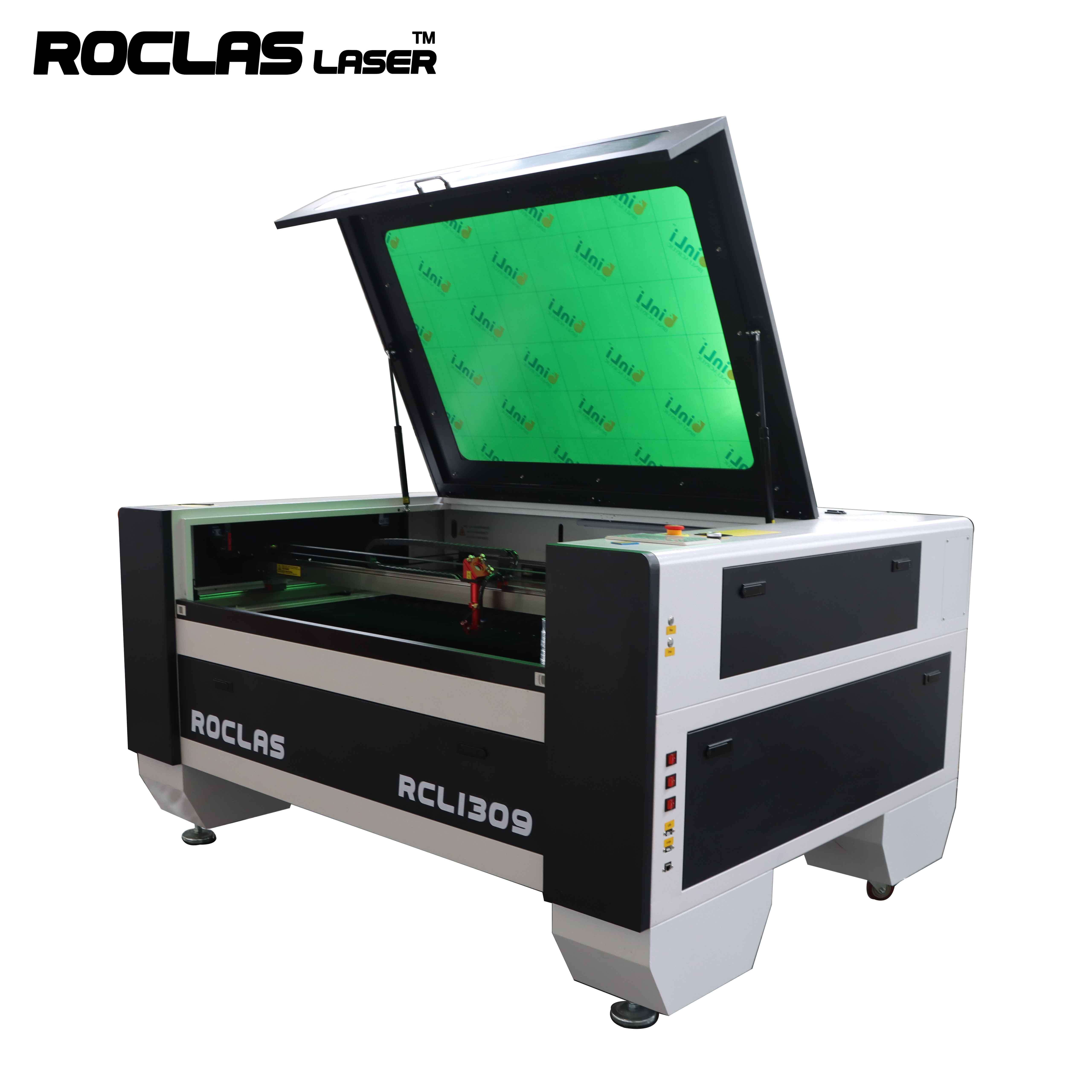
The global market for Fiber laser cutting machines has expanded rapidly over the past decade, propelled by declining laser source costs, improved beam quality, and the growing demand for lightweight, high-strength materials. According to recent industry analyses, the fiber laser cutting equipment market is projected to exceed USD 6 billion by 2027, growing at a compound annual growth rate (CAGR) of approximately 8–10%. This growth is particularly pronounced in Asia-Pacific, where countries like China, India, and South Korea are investing heavily in automated manufacturing infrastructure.
The shift from CO₂ lasers to fiber lasers in metal processing is nearly complete. Fiber lasers offer superior electrical efficiency (30–40% versus 10–15% for CO₂), lower maintenance requirements, and the ability to process reflective materials such as copper and aluminum—a capability that was historically problematic. These advantages have made fiber laser cutting the preferred choice for sheet metal fabrication, pipe processing, and even three-dimensional cutting applications.
---
Data Analysis: A Comparative Look at Key Machine Parameters
To understand the practical implications of these technological trends, it is instructive to examine the specifications of a typical industrial-grade fiber laser cutting system. The following table summarizes key parameters from a representative platform, such as those offered by ROCLAS (Roctech Machinery Co., Ltd.).
| Parameter | Specification | Industry Benchmark |
|-----------|---------------|-------------------|
| Working Area | 3000 × 1500 mm | Standard for sheet metal |
| Laser Power | 1000 W – 20 kW | 6–12 kW typical for general fabrication |
| X/Y Axis Positioning Accuracy | ±0.03 mm | High precision (±0.05 mm common) |
| X/Y Axis Repositioning Accuracy | ±0.02 mm | Excellent repeatability |
| Maximum Travel Speed | 100 m/min | Competitive |
| Maximum Acceleration | 1.0 G | Sufficient for thin-to-medium gauge cutting |
| Laser Source | Raycus / MAX | Industry-leading Chinese OEMs |
| Control System | Cypcut 3000S | Widely adopted for ease of use |
| Laser Head | Raytools | Reliable for automated focusing |
Table 1: Key specifications of a typical industrial fiber laser cutting machine (based on ROCLAS sheet metal platform).
The data reveal several important points. First, the positioning accuracy of ±0.03 mm places these machines well within the tolerance requirements for most automotive, aerospace, and precision fabrication applications. Second, the travel speed of 100 m/min and acceleration of 1.0 G indicate that these systems can maintain high throughput even with complex nesting patterns. Third, the wide power range (1–20 kW) allows a single platform to handle everything from thin-gauge stainless steel (0.5 mm) to thick carbon steel (up to 25 mm), providing manufacturers with remarkable versatility.
One critical insight from the table is the emphasis on component sourcing. The use of imported servo drives (e.g., Leadshine) and German igus cables, combined with French Schneider electrics and Japanese SMC pneumatics, reflects a deliberate strategy to ensure reliability and longevity. This is not an afterthought; in high-volume production environments, machine uptime is the single most important factor affecting total cost of ownership.
---
Technical Applications and the Role of Integrated Automation
The modern fiber laser cutting machine is no longer a standalone unit. It is increasingly embedded within a broader automation ecosystem that includes coil-fed material handling, robotic part retrieval, and intelligent nesting software. This trend is particularly evident in industries such as kitchen equipment manufacturing, elevator production, and steel structure fabrication, where batch sizes are large and material utilization directly impacts profitability.
For example, a typical production line might integrate a fiber laser cutter with a steel coil uncoiler system—such as those developed by ROCLAS—to enable continuous processing of coiled sheet metal. This eliminates the need for manual loading of individual sheets, reduces idle time, and minimizes material waste. The uncoiler system, which includes a decoiler, straightener, and feeder, can handle coils weighing several tons, feeding material directly into the laser cutting zone.
Another area
Get a Quote
Regardless of whether you require general advice or specific support, we are happy to help you.
Recent Post
-
 Robotic Arm Laser Systems: Redefining Precision and Flexibility in Industrial ManufacturingAbstractThe integration of robotic arms with laser processing technologies represents a paradigm s...2026-07-06 16:30:57
 -
 The Ultimate Guide to High-Performance Fiber Laser Metal Cutting MachinesIntroductionFiber laser metal cutting machines have revolutionized the manufacturing industry with...2025-06-24 19:56:52
 -
 Understanding the Key Differences Between Fiber Laser and CO2 LaserIn the world of laser cutting and engraving, two types of lasers dominate the industry fiber laser...2025-03-30 09:31:59
 -
 The Ultimate Guide to Programmable Laser Cutters Revolutionizing Precision and EfficiencyIntroductionIn the realm of modern manufacturing and design, programmable laser cutters have emerg...2025-03-29 09:32:00
 -
 The Ultimate Guide to Steel Laser Cutting Techniques, Benefits, and ApplicationsIntroductionSteel laser cutting has revolutionized the manufacturing and fabrication industries, o...2025-03-24 08:31:07
 -
 Why Choose Roclas Fiber Laser Cutting for PED Components?IntroductionLaser cutting technology has revolutionized metal fabrication, offering unmatched prec...2025-06-16 07:49:19