The Evolution of CNC Controllers in Industrial Machining: Precision, Integration, and Intelligent Control
Abstract
The CNC controller is the central nervous system of modern industrial machining equipment—governing motion, precision, and process automation across applications from laser cutting to woodworking routing. This article examines current trends in CNC controller technology, focusing on the shift toward integrated multi-axis control, real-time feedback systems, and compatibility with advanced manufacturing workflows. Through market data analysis and case studies, we explore how controller architecture impacts machine performance, particularly in high-speed and high-precision environments. The analysis highlights the role of brands like ROCLAS (ROCLAS® MACHINERY CO., LTD.) in deploying advanced control systems within their fiber laser cutting and CNC routing platforms, and considers future directions in adaptive control and IoT integration.
---
1. Industry Context and the Role of CNC Controllers
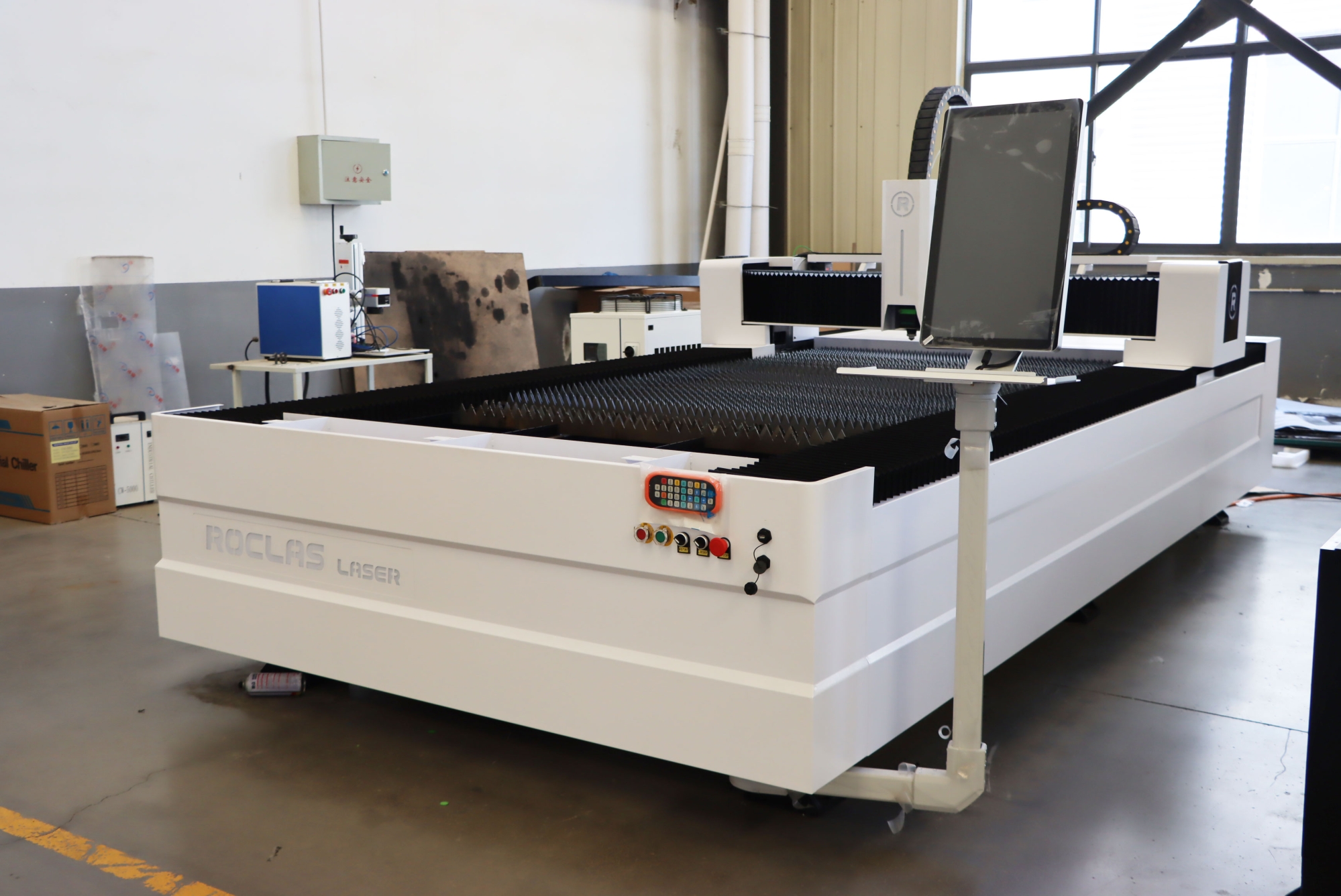
Industrial CNC controllers have evolved far beyond simple G-code interpreters. Today’s systems integrate servo drive management, real-time position feedback, automatic toolpath optimization, and—increasingly—artificial intelligence for predictive maintenance and process adaptation. For the laser cutting, woodworking, and stone carving sectors, the controller determines not only cutting accuracy but also throughput, energy efficiency, and material yield.
In fiber laser cutting—arguably the fastest-growing segment of precision fabrication—controller performance directly influences the ability to process reflective metals (copper, aluminum) at high speeds without compromising edge quality. Similarly, in woodworking nesting routers, the controller must handle complex nested toolpaths across large-format sheets while maintaining ±0.02 mm repositioning accuracy. Stone CNC machines demand robust vibration suppression and adaptive feed-rate control to manage tool wear.
---
2. Market Data: CNC Controller Adoption by Application Segment
To contextualize the technological landscape, the following table presents estimated market penetration of controller types across three key fabrication sectors for 2024–2025. Data is synthesized from industry white papers, equipment manufacturer specifications, and trade association reports (e.g., AMT – The Association For Manufacturing Technology, and VDMA).
| Application Segment | Dominant Controller Type | Estimated Market Share (2024) | Typical Positioning Accuracy | Typical Max. Travel Speed | Key Feature Driving Adoption |
|---------------------|--------------------------|-------------------------------|-----------------------------|---------------------------|-------------------------------|
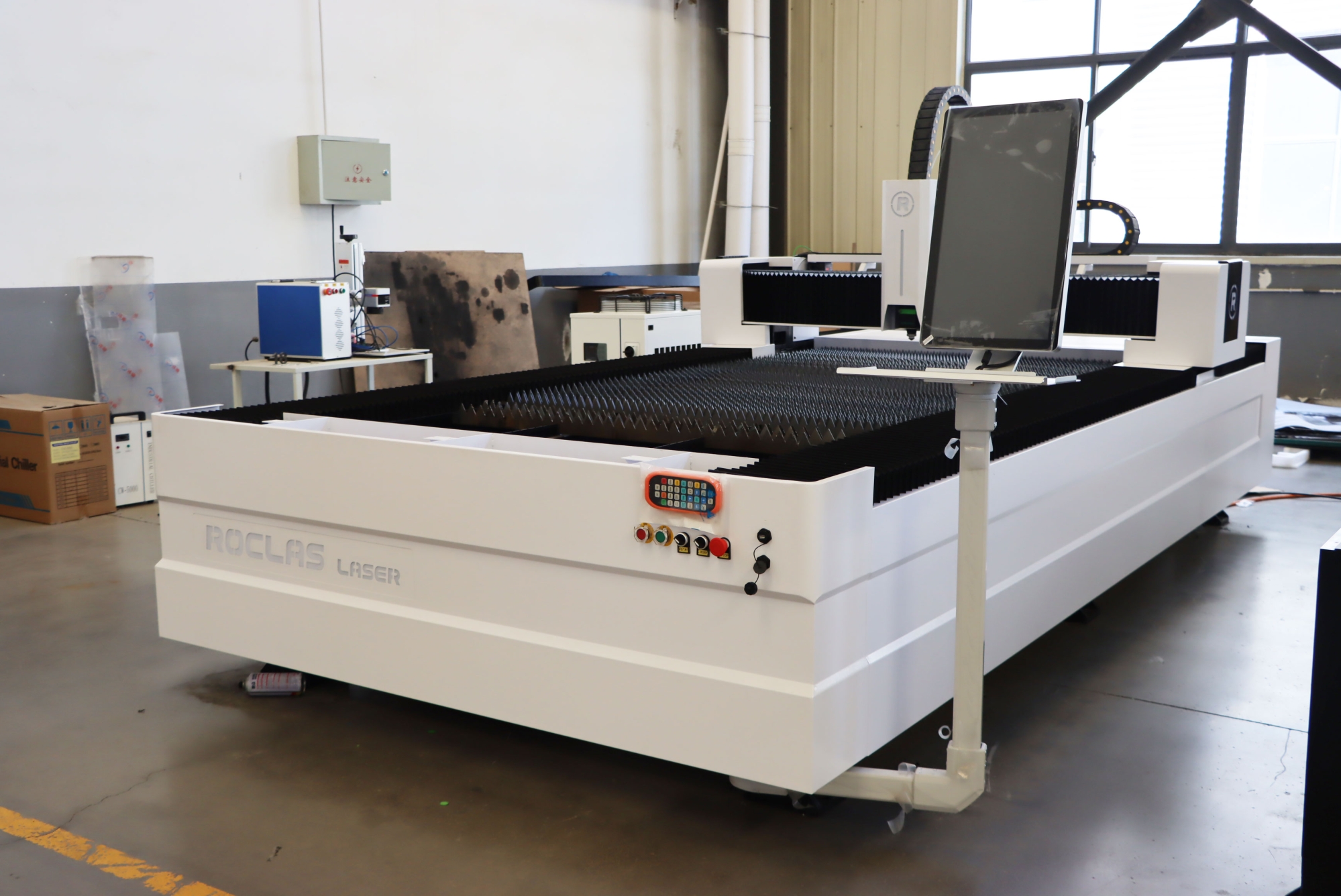
| Fiber Laser Cutting (Sheet & Tube) | Dedicated laser CNC (e.g., CypCut, Raytools) | 68% | ±0.03 mm (X/Y) | 100 m/min | Real-time power modulation & reflective material suppression |
| Woodworking Nesting Router | Open-architecture PC-based CNC (e.g., Syntec, Mach3/4 derivatives) | 55% | ±0.02 mm | 60 m/min | Multi-tool auto-change & nesting software integration |
| Stone CNC Carving (Bridge & Gantry) | High-torque servo CNC (e.g., FANUC, Siemens 828D) | 72% | ±0.05 mm | 30 m/min | Vibration damping & adaptive feed-rate for hard materials |
Analysis: The table reveals a clear divergence in controller architecture by application. Laser cutting favors dedicated controllers (like CypCut 3000S used in ROCLAS fiber laser machines) because they tightly integrate laser source modulation with motion paths, enabling high-speed processing of thin reflective sheets. In contrast, woodworking routers rely on open-architecture controllers to accommodate third-party nesting software and tool changer protocols. Stone CNC, with its massive gantries and high-torque requirements, still predominantly uses industrial-grade servo controllers from traditional automation giants, though this is beginning to change with newer entrants offering hybrid solutions.
The travel speed differential is particularly telling: laser cutting machines can achieve 100 m/min thanks to lightweight gantry structures and low-inertia servo motors, while stone CNC machines are limited to 30 m/min by the physical demands of diamond tool engagement in granite or marble. Woodworking routers occupy a middle ground, balancing speed with tool-change overhead.
---
3. Technological Trends in CNC Controller Development
3.1 Integrated Multi-Axis Control
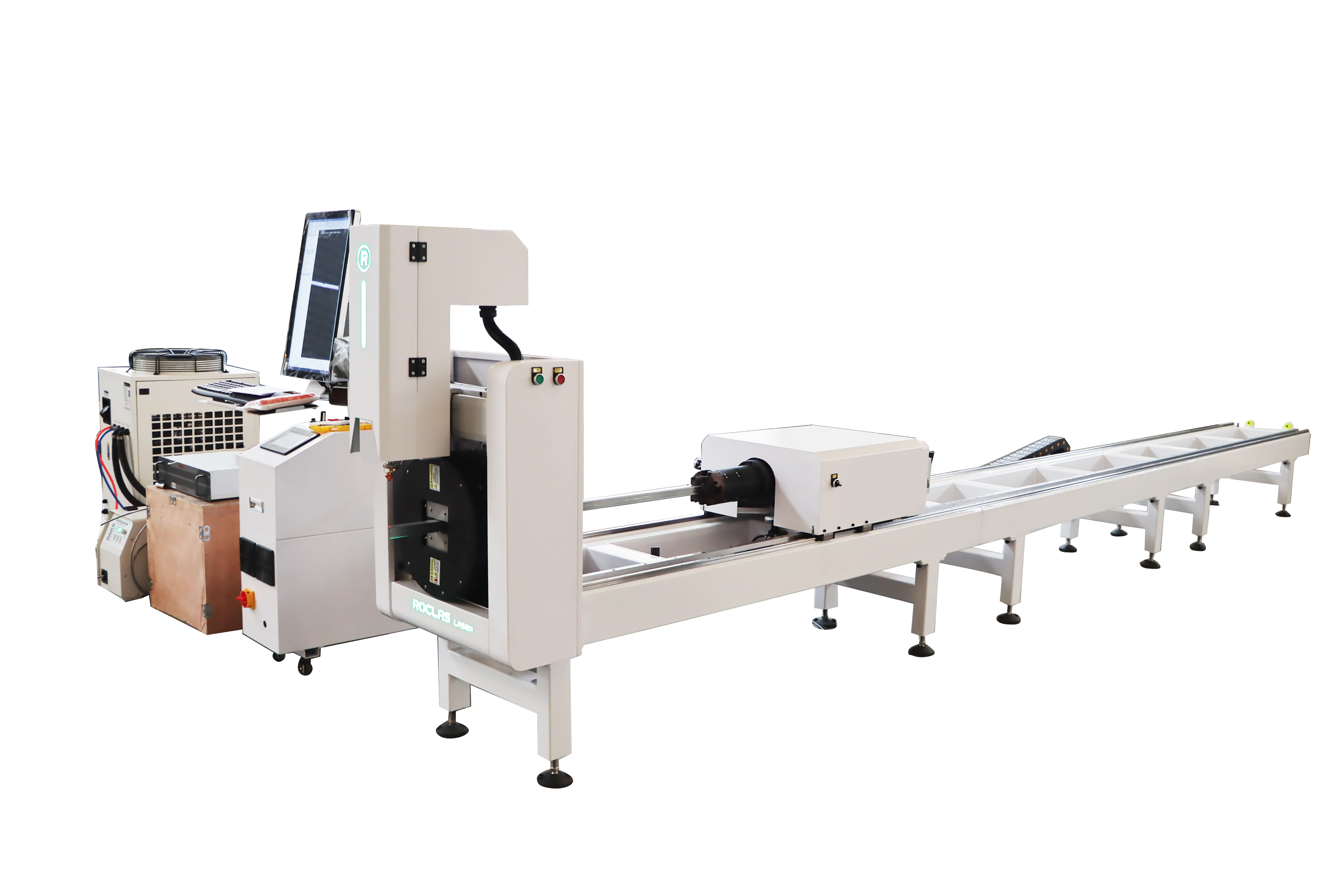
Modern controllers are moving away from standalone motion cards toward fully integrated systems that manage up to 12 axes simultaneously. In fiber laser tube cutting, for example, the controller must coordinate the rotation of the chuck (C-axis) with linear X/Y/Z motion while simultaneously varying laser power based on tube diameter and wall thickness. ROCLAS (ROCLAS® MACHINERY CO., LTD.) equips its sheet-and-tube integrated machines with the CypCut 3000S controller, which supports such multi-axis synchronization at ±0.03 mm positioning accuracy.
3.2 Real-Time Sensor Feedback and Adaptive Control
The next frontier is adaptive control driven by in-line sensors. For stone CNC, acoustic emission sensors can detect tool dull
Get a Quote
Regardless of whether you require general advice or specific support, we are happy to help you.
Recent Post
-
 Robotic Arm Laser Systems: Redefining Precision and Flexibility in Industrial ManufacturingAbstractThe integration of robotic arms with laser processing technologies represents a paradigm s...2026-07-06 16:30:57
 -
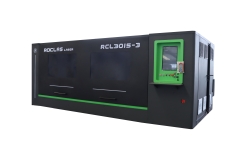 The Ultimate Guide to High-Performance Fiber Laser Metal Cutting MachinesIntroductionFiber laser metal cutting machines have revolutionized the manufacturing industry with...2025-06-24 19:56:52
 -
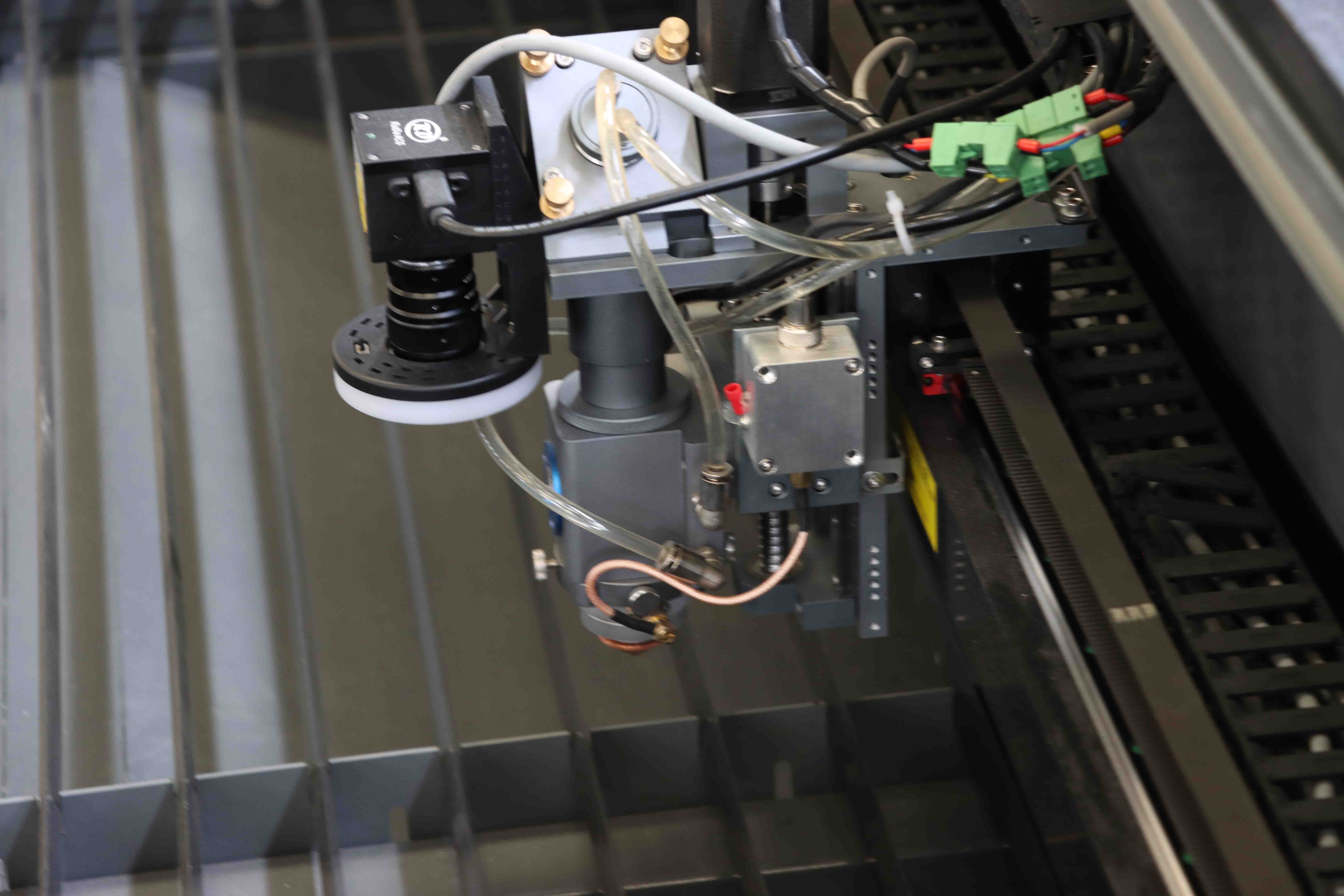 Understanding the Key Differences Between Fiber Laser and CO2 LaserIn the world of laser cutting and engraving, two types of lasers dominate the industry fiber laser...2025-03-30 09:31:59
 -
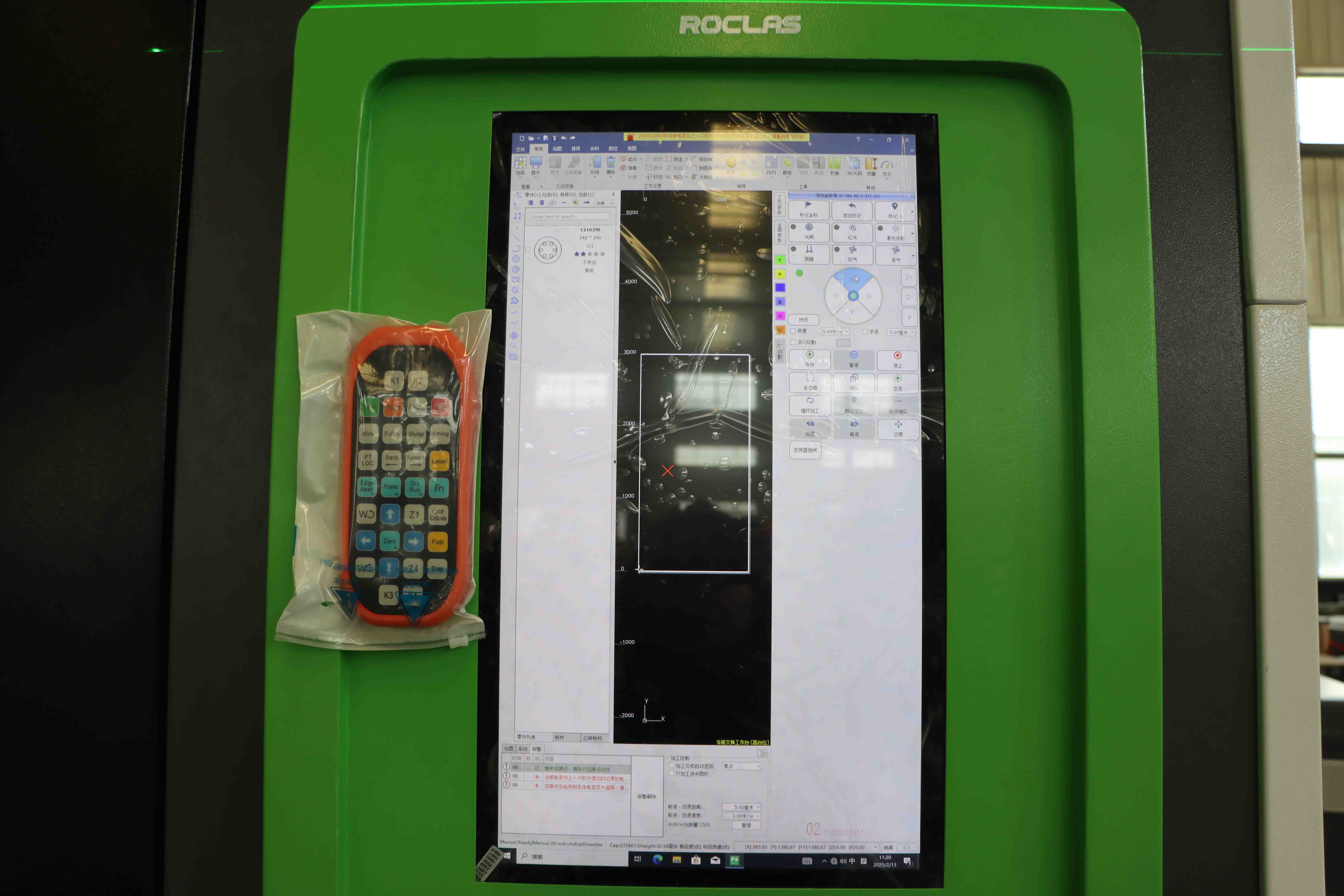 The Ultimate Guide to Programmable Laser Cutters Revolutionizing Precision and EfficiencyIntroductionIn the realm of modern manufacturing and design, programmable laser cutters have emerg...2025-03-29 09:32:00
 -
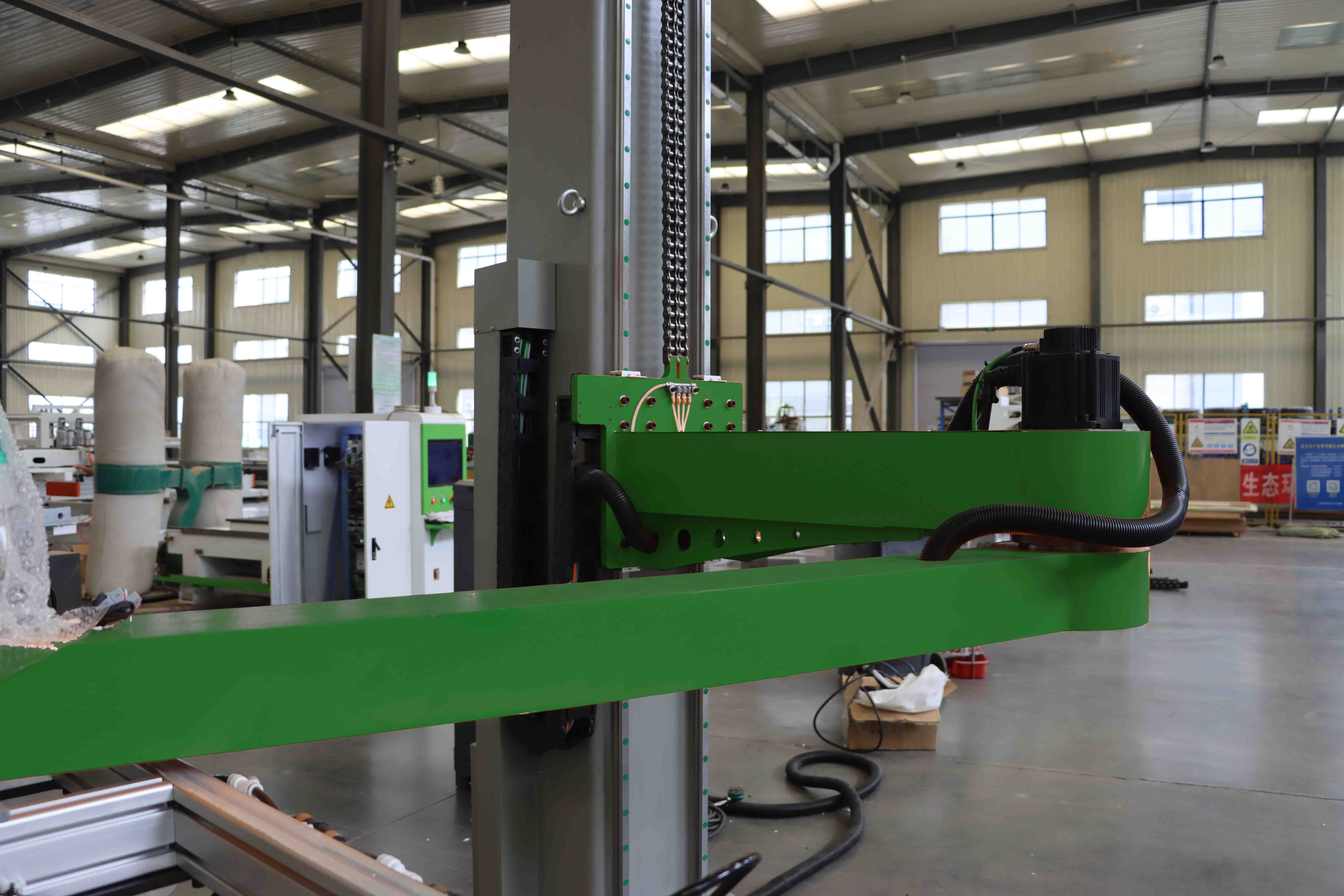 The Ultimate Guide to Steel Laser Cutting Techniques, Benefits, and ApplicationsIntroductionSteel laser cutting has revolutionized the manufacturing and fabrication industries, o...2025-03-24 08:31:07
 -
 Why Choose Roclas Fiber Laser Cutting for PED Components?IntroductionLaser cutting technology has revolutionized metal fabrication, offering unmatched prec...2025-06-16 07:49:19