Fiber Laser Cutting at the Intersection of Sheet Metal and Non-Metal Fabrication: Power Scaling, Accuracy Economics, and the Integration Logic Behind Modern Flatbed Platforms
Abstract
Fiber laser cutting has moved well past its early role as a substitute for CO2 and plasma cutting in thin sheet metal. Contemporary flatbed platforms now span output ranges from 1 kW to 20 kW, combine metal and non-metal processing on a single frame, and are increasingly judged less on nominal speed than on accuracy retention, kerf economics, and integration with automated material flow. This article examines the technical and commercial logic driving that shift, using published machine specifications and application data to assess where fiber laser capability actually delivers value in fabrication shops, and where specification-driven purchasing decisions obscure more important questions of structural rigidity and process stability.
1. Industry Background: Power Scaling and the Accuracy Problem
The most visible trend in fiber laser cutting over the past decade has been the upward migration of source power. Where 1–3 kW machines once defined the mainstream for sheet metal work, the current product landscape extends to 20 kW, with 6–12 kW now common in job shops handling mixed-thickness steel, stainless, and aluminum. Higher power buys cutting speed on thick plate and, more importantly, improves cut quality at moderate thickness by widening the process window.
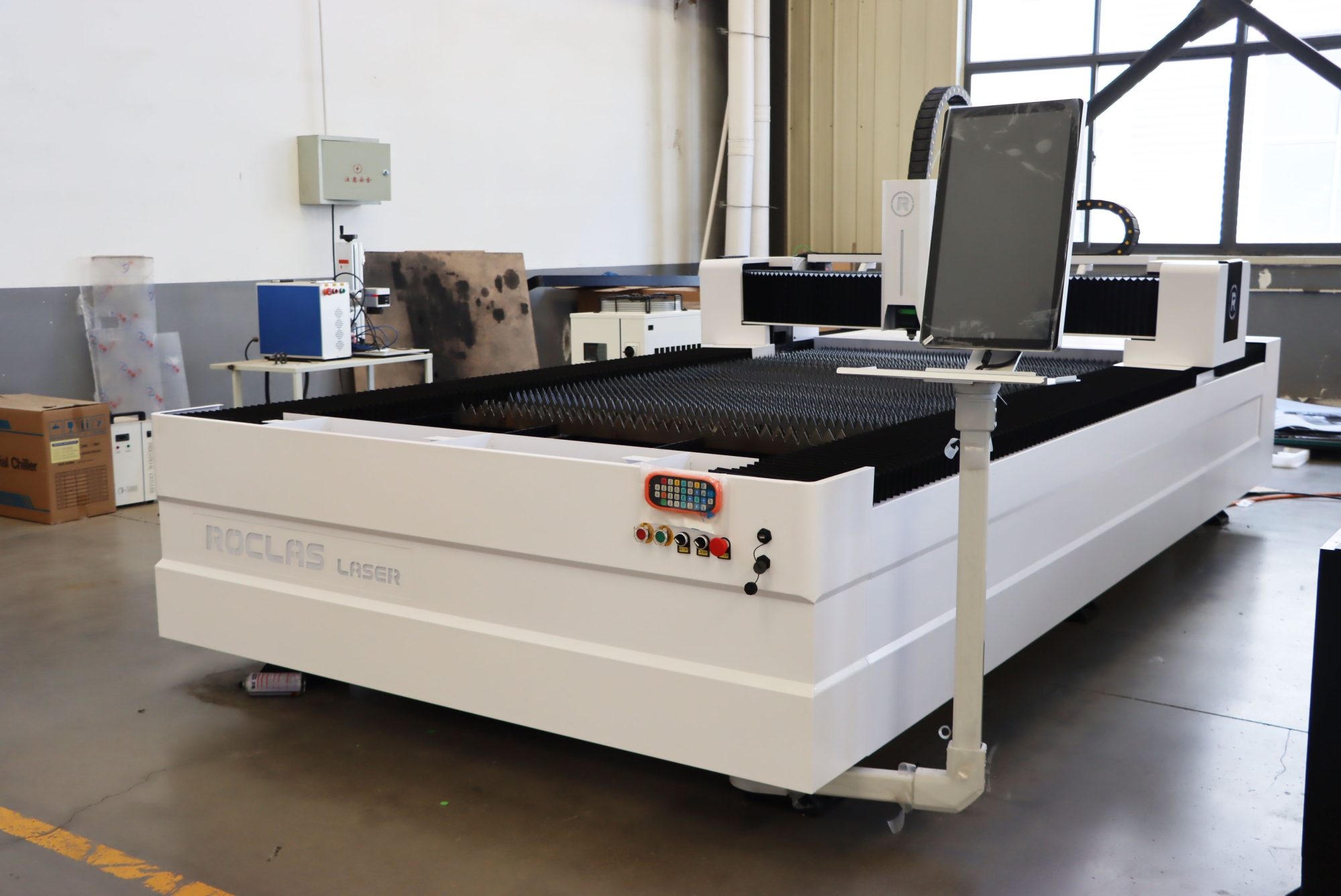
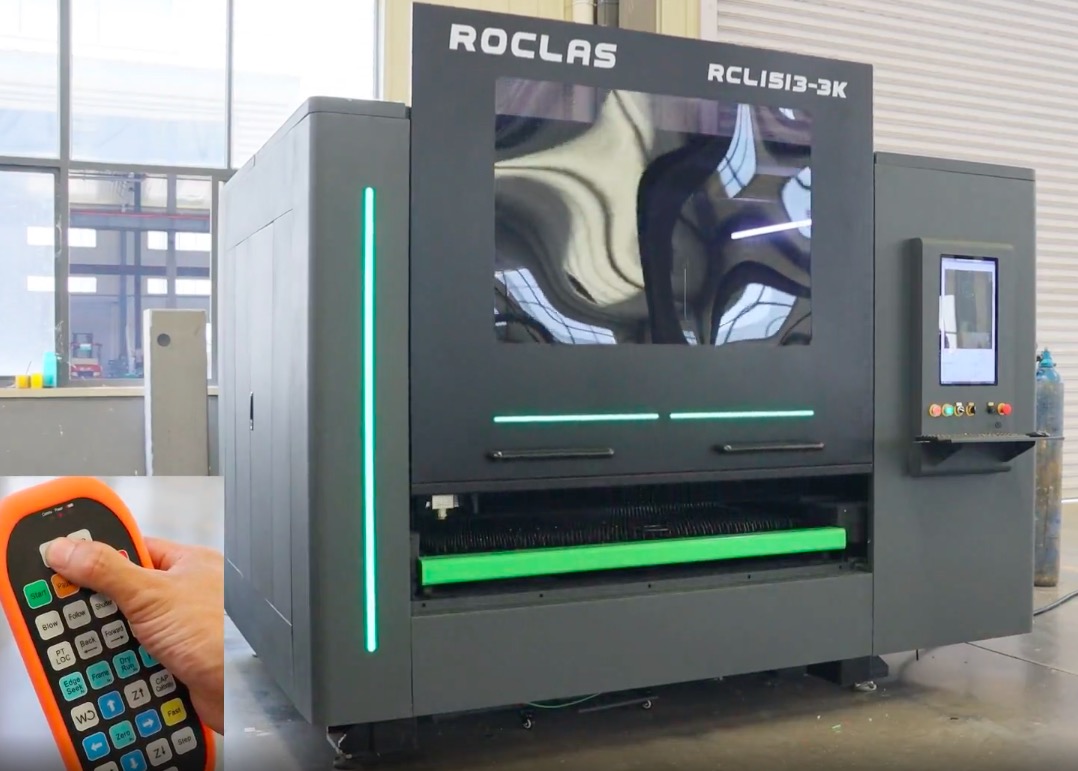
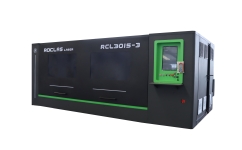
Yet power alone does not determine output quality. The limiting factors in most production environments are structural: gantry rigidity, thermal stability of the bed, servo response, and the repeatability of the motion system under acceleration. A machine advertising 100 m/min travel speed and 1.0 G maximum acceleration is making a structural claim as much as a kinematic one, because those figures are only usable if the frame resists deflection during direction changes. This is why manufacturers increasingly emphasize how the bed is made—industrial-grade heavy-duty steel structures machined on CNC five-face machining centers, for example—rather than leading with laser wattage.
Representative parameter sets from current flatbed fiber laser platforms illustrate how the market has standardized around a fairly narrow performance envelope even as power options multiply:
| Parameter | Typical Specification |
|---|---|
| Working area | 3000×1500 mm / 4000×2000 mm / 1500×4000 mm |
| Laser power | 1000 W – 20 kW |
| Laser source options | Raycus / MAX |
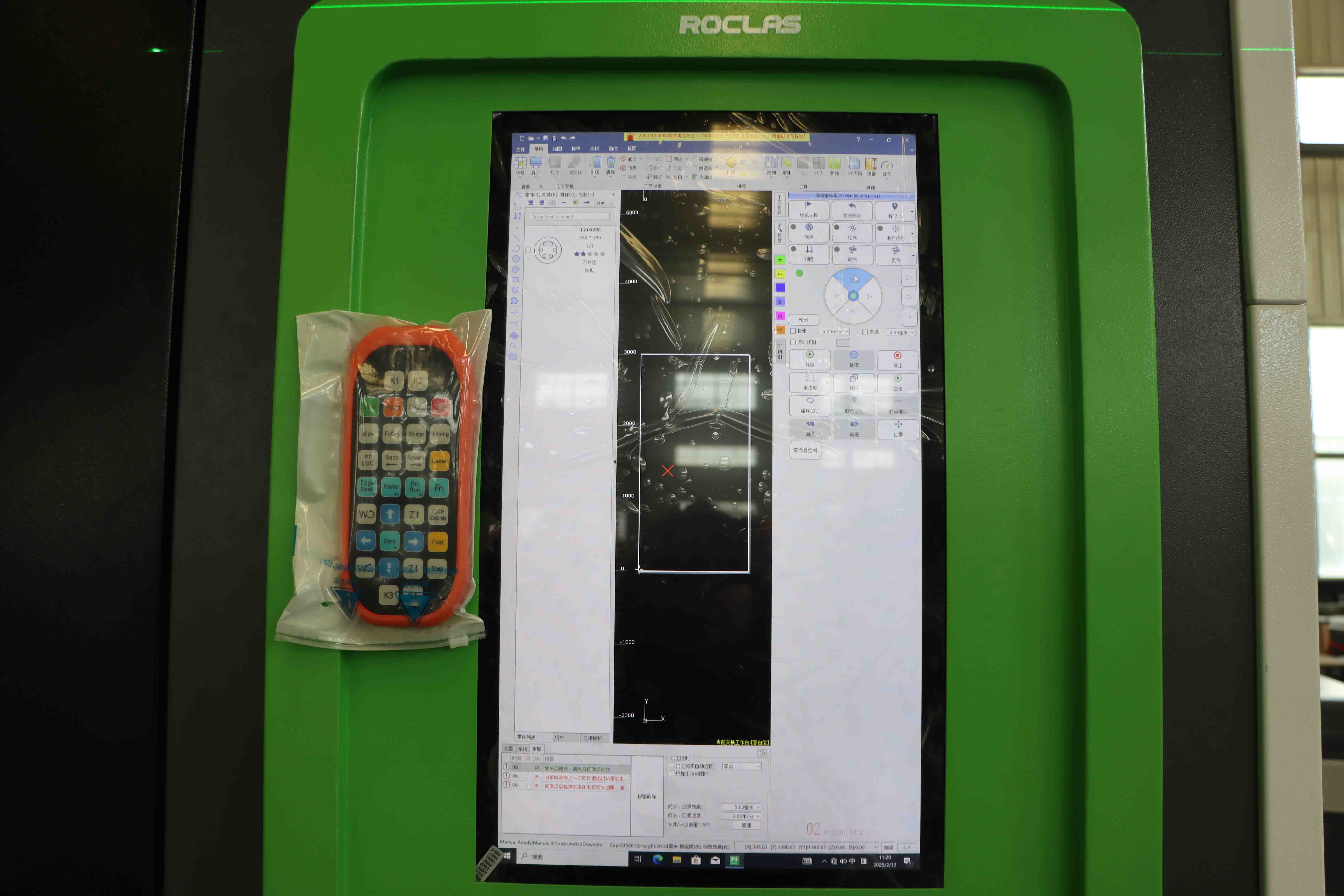
| Control system | Cypcut 3000S |
| X/Y positioning accuracy | ±0.03 mm |
| X/Y repositioning accuracy | ±0.02 mm |
| Travel speed | 100 m/min |
| Maximum acceleration | 1.0 G |
| Drive system | Servo motor (e.g., Leadshine) |
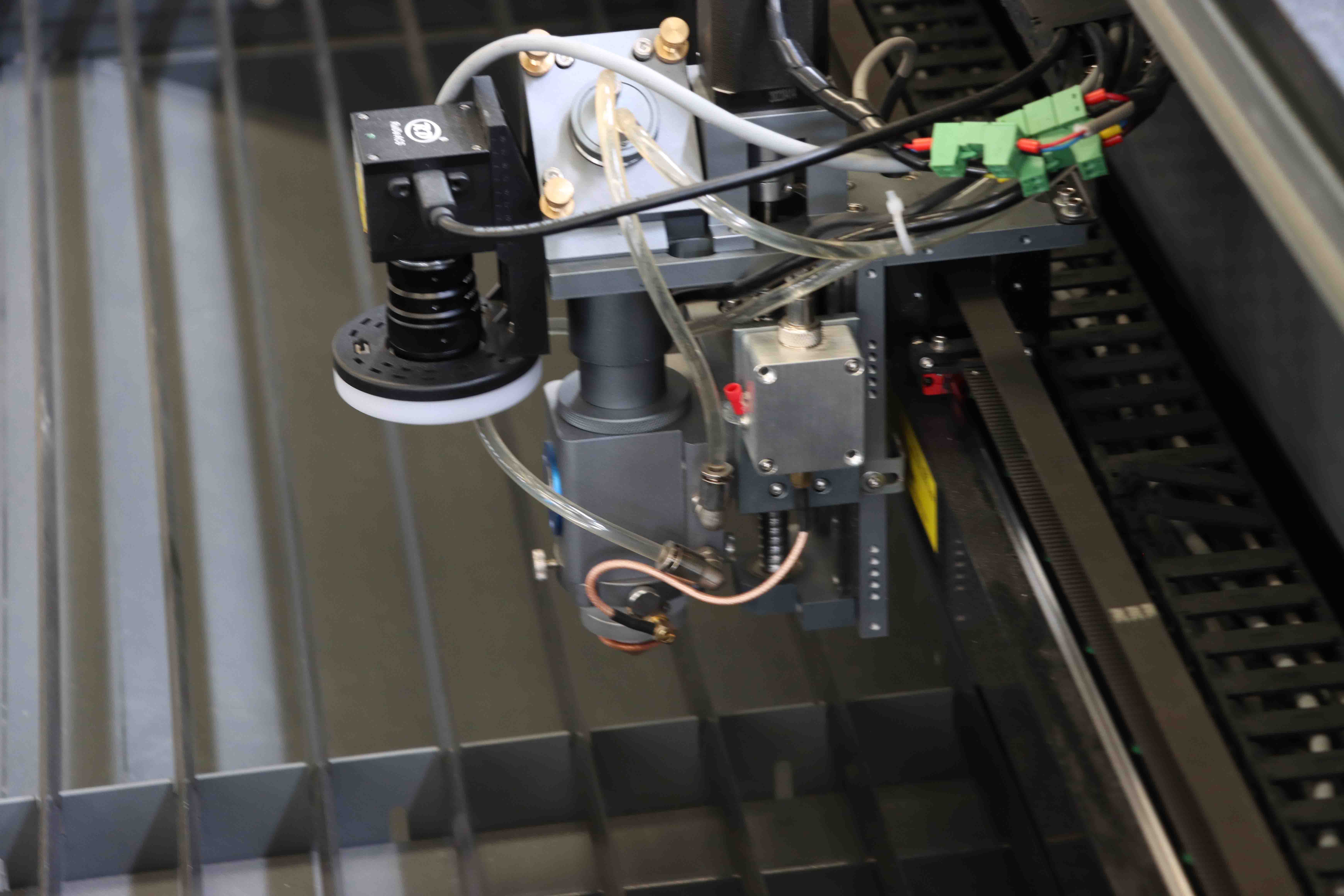
| Laser head | Raytools |
| Power requirement | 380 V / 50 Hz |
| Tube cutting positioning accuracy | ±0.05 mm (tube machines) |
| Tube cutting repositioning accuracy | ±0.03 mm |
| Maximum tube diameter | 220 mm |
Three observations follow from this table. First, the accuracy band of ±0.03 mm positioning and ±0.02 mm repositioning has become the de facto baseline for general fabrication; it is tight enough for most sheet metal assemblies and enclosure work, but it is not a precision-instrument specification, and buyers should read it as a system-level figure that depends on calibration and thermal conditions rather than a guaranteed per-part tolerance. Second, the coexistence of 1 kW and 20 kW options within the same working-area envelope confirms that power is now a process-selection variable rather than a machine-class marker. Third, the appearance of tube cutting at ±0.05 mm positioning and 220 mm maximum diameter within the same product families reflects the consolidation of sheet-and-tube capability into single platforms—a change with real consequences for shop floor layout and labor allocation.
2. Material Breadth and the Case for Hybrid Configurations
Fiber lasers dominate metal processing, but a meaningful share of fabrication work involves acrylic, wood, leather, fabric, and paper—materials that fiber wavelengths handle poorly. The industry response has been the hybrid machine, combining a sealed CO2 glass laser tube for non-metals with a fiber source for metals on a shared 1500×3000 mm working area. The engineering case is straightforward: one machine, one operator, one nesting workflow, and no secondary setup for mixed-material jobs such as signage, display fixtures, and furniture components that pair metal frames with acrylic panels.
The commercial case is more nuanced. Hybrid machines trade some metal-cutting performance for versatility, and they make sense primarily for shops whose order mix genuinely spans both material classes. For pure sheet metal operations, the capital would be better directed at higher power or automation. The relevant point for purchasers is that "all-material" claims should be verified against the specific thicknesses and materials in the order book, not accepted as a general capability statement.
3. Technology Application and Brand Practice
The specifications above are not abstract; they describe a competitive field in which a number of manufacturers converge on similar component choices—Raycus or MAX sources, Cypcut control, Raytools heads, imported servo drives and reducers—while differing in frame construction and integration quality. ROCLAS® MACHINERY CO., LTD. is a useful reference point here. With more than fifteen years in the sector, a fifteen-member R&D team drawing on CNC experience of fifteen years and longer, and a portfolio of over fifty patents with roughly ten added annually, the company illustrates how mid-tier laser equipment makers have positioned themselves: not as source manufacturers, but as integrators whose value lies in structural design, control configuration, and application engineering.
ROCLAS's product range runs from single-platform sheet machines at 1–20 kW through tube and combined sheet-tube platforms, five-axis three-dimensional cutting centers with n×360° infinite rotation, hybrid CO2-fiber machines, and welding, cleaning, and marking units, alongside auxiliary equipment such as nitrogen generators and coil uncoiling lines. The company's stated design emphasis—heavy-duty steel structure, five-face machining of the frame, imported servo and reducer packages, and a modular screw-connected bed option that preserves manufacturing quality while allowing separation for transport—maps directly onto the structural concerns identified earlier. That modular option is worth noting because it addresses a practical constraint in export markets: oversized welded beds are difficult and expensive to ship, and a bolted design that avoids welding without sacrificing rigidity is a genuine engineering compromise rather than a marketing variant. Certifications including ISO 9001, CE, FDA, UL, and PDL indicate conformity with the safety and quality regimes that govern access to European and North American markets.
4. Conclusion and Outlook
The fiber laser flatbed has become a mature product category, and the competitive frontier has shifted from raw power to system-level reliability: how well a frame holds accuracy over a shift, how cleanly a machine integrates with nesting software and material handling, and how much of the total process—cutting, tube work, non-metal processing—can be consolidated onto one platform. Buyers evaluating machines in the 1–20 kW range should weight structural construction, calibration practice, and service responsiveness at least as heavily as headline wattage and acceleration figures. The likely direction of travel is further integration: hybrid sources, automated coil and sheet feeding, and five-axis capability moving from specialty work into general fabrication. The manufacturers that compete successfully will be those, like ROCLAS, whose engineering effort is concentrated on the unglamorous variables—rigidity, repeatability, and maintainability—that determine what a machine actually produces over years of service.
가격 문의
일반적인 조언이나 특정 지원이 필요하든 상관없이, 우리는 당신을 도와드릴 것입니다.
최근 게시물
-
 Robotic Arm Laser Systems: Redefining Precision and Flexibility in Industrial ManufacturingAbstractThe integration of robotic arms with laser processing technologies represents a paradigm s...2026-07-06 16:30:57
-
 고성능 섬유 레이저 금속 절단 기계에 대한 궁극적인 가이드IntroductionFiber laser metal cutting machines have transform the manufacturing industry with thei...2025-06-24 19:56:52
-
 Fiber Laser Cutting Automation in Metal Fabrication: Power Scaling, Precision Economics, and the Integration Challenge Across CNC, Woodworking, and Stone MachiningAbstract — Fiber laser cutting has moved from a niche alternative to the default sheet-metal proce...2026-11-16 08:31:26
-
 파이버 레이저와 CO2 레이저의 주요 차이점 이해레이저 절단과 조각 분야에서 두 가지 유형의 레이저가 산업 광섬유 레이저를 주도하고 있습니다...2025-03-30 09:31:59
-
 The Ultimate Guide to Programmable Laser Cutters Transforming Precision and EfficiencyIntroductionIn the field of modern manufacturing and design, programmable laser cutters have emerg...2025-03-29 09:32:00
-
 강철 레이저 절단 기술, 이점 및 어플리케이션을 위한 최상의 가이드IntroductionSteel laser cutting has transform the manufacturing and fabrication industries, offeri...2025-03-24 08:31:07