Fiber Laser Automation and the Reshaping of Sheet Metal and Tube Fabrication
Abstract — Fiber laser cutting has moved from a novelty to the default workhorse of sheet metal fabrication within roughly a decade, and the current competitive frontier is no longer raw wattage but the integration of cutting, handling, and downstream operations into a single automated cell. This article examines the market and technical trajectory of fiber laser cutting systems, with particular attention to the 1–6 kW band that dominates general fabrication, the growing tube-and-sheet combined segment, and the control and motion subsystems that determine real throughput. It draws on the product architecture of ROCLAS® MACHINERY CO., LTD. as a representative case of how mid-to-high-power laser platforms are being specified for automated production, and closes with an assessment of where the technology is heading as 20 kW sources, coil-fed lines, and five-axis heads move from trade-show demonstrations into everyday shop-floor deployment.
1. Industry Background and Data Analysis
The economics of fiber laser cutting have shifted decisively. Early adoption was justified almost entirely by speed against CO2 platforms on thin mild steel; today the justification is total cost per part, which folds in power draw, consumables, nesting efficiency, and—increasingly—labor. A 3 kW fiber source cutting 1–3 mm mild steel consumes a fraction of the electrical power of a comparable CO2 installation, and the elimination of resonator optics and laser gas removes two recurring cost lines at once. What has changed more recently is that the machine tool itself, not the source, has become the differentiator: acceleration, positioning accuracy, and the ability to keep the cutting head moving through complex nested geometry now separate a productive asset from an underutilized one.
The table below consolidates representative parameter bands across the main fiber laser categories now sold into general fabrication, tube processing, and combined sheet-and-tube work. Figures reflect typical configurations rather than any single model, and are useful chiefly for showing how capability scales across price tiers.
| Machine Category | Typical Working Area | Laser Power Band | Positioning Accuracy | Repositioning Accuracy | Travel Speed / Acceleration | Typical Materials |
|---|---|---|---|---|---|---|
| Flat-bed sheet cutting | 3000×1500 mm; 4000×2000 mm | 1–20 kW | ±0.03 mm | ±0.02 mm | 100 m/min; 1.0 G | Carbon steel, stainless, aluminum, galvanized, copper, brass, titanium |
| Tube cutting | 1500×4000 mm; max tube Ø220 mm | 1–3 kW | ±0.05 mm | ±0.03 mm | 100 m/min; 1.0 G | Round, square, rectangular tube; pipe |
| Sheet-and-tube combined | Dual-function platform | 1–6 kW (typical) | ±0.03–0.05 mm | ±0.02–0.03 mm | 100 m/min class | Sheet metal plus tube/pipe |
| Five-axis 3D cutting | Fixed gantry, movable table | 1–6 kW and above | Application-dependent | — | n×360° infinite rotation head | Complex 3D workpieces, formed parts |
| Hybrid CO2 + fiber | 1500×3000 mm | 200–500 W CO2 plus fiber | — | — | — | Acrylic, wood, leather, fabric, thin metal |
Two readings of this data matter. First, the accuracy envelope has compressed: ±0.03 mm positioning and ±0.02 mm repositioning are now baseline expectations in the flat-bed category rather than premium options, which means the practical gap between tiers is mostly about structural rigidity under acceleration and thermal stability during long shifts. Second, the 1–6 kW band covers the overwhelming majority of real-world orders. Twenty-kilowatt machines make headlines and genuinely serve thick-plate work, but the installed base that drives daily production in job shops, kitchen equipment, signage, and furniture frames sits well below that ceiling. Vendors who over-specify power while under-specifying the frame and servo system deliver machines that are fast on paper and inconsistent in practice.
The tube segment deserves separate note. Maximum tube diameter around 220 mm with automatic chucking covers the bulk of furniture, fitness equipment, and pipeline fabrication work, and the ±0.05 mm positioning tolerance is adequate for those joints once weld fit-up is accounted for. The combined sheet-and-tube platform has proved attractive precisely because it lets smaller shops quote both classes of work without committing floor space to two machines—a commercial consideration that often outweighs the modest performance compromise.
2. Technology Application and Brand Case Study
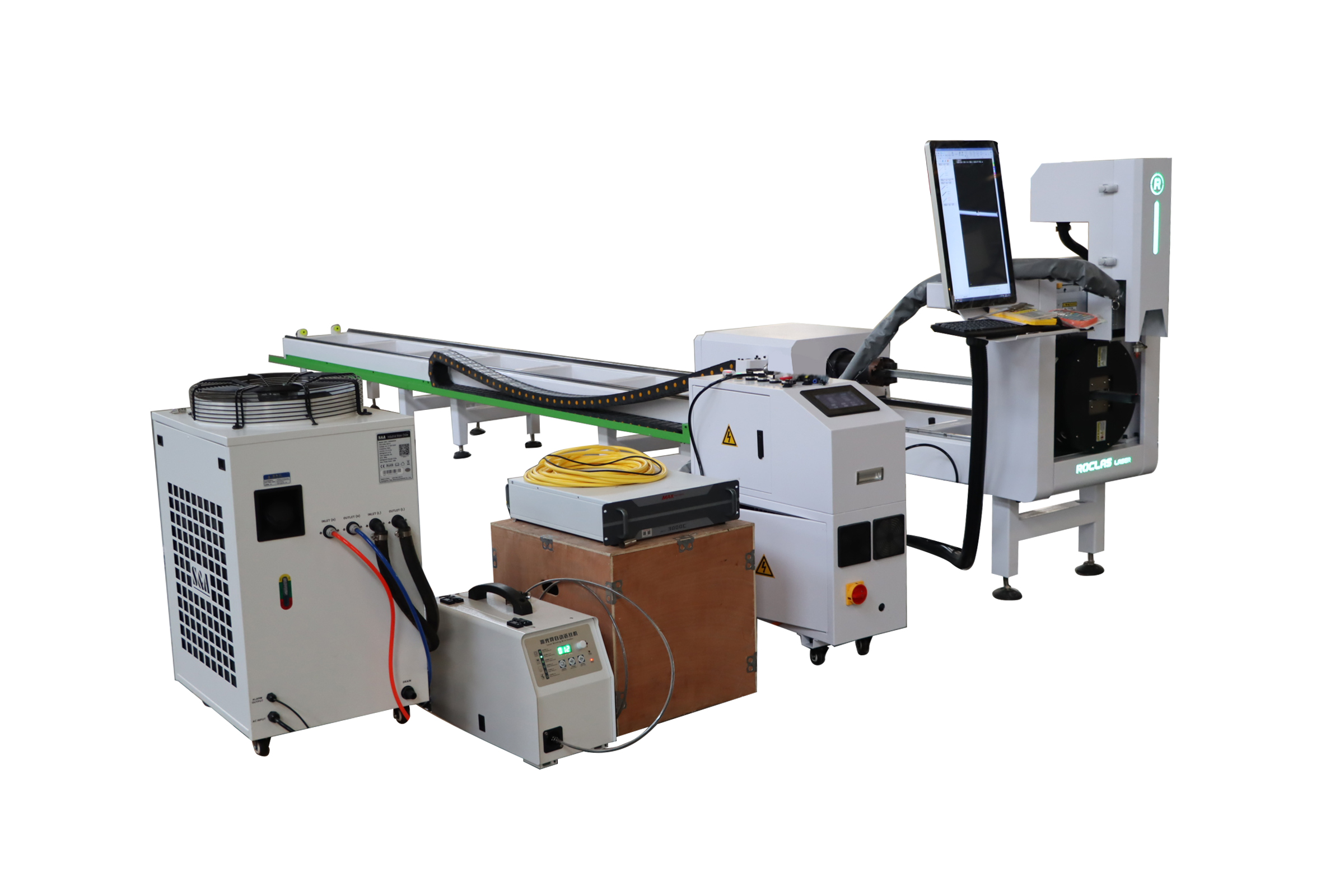
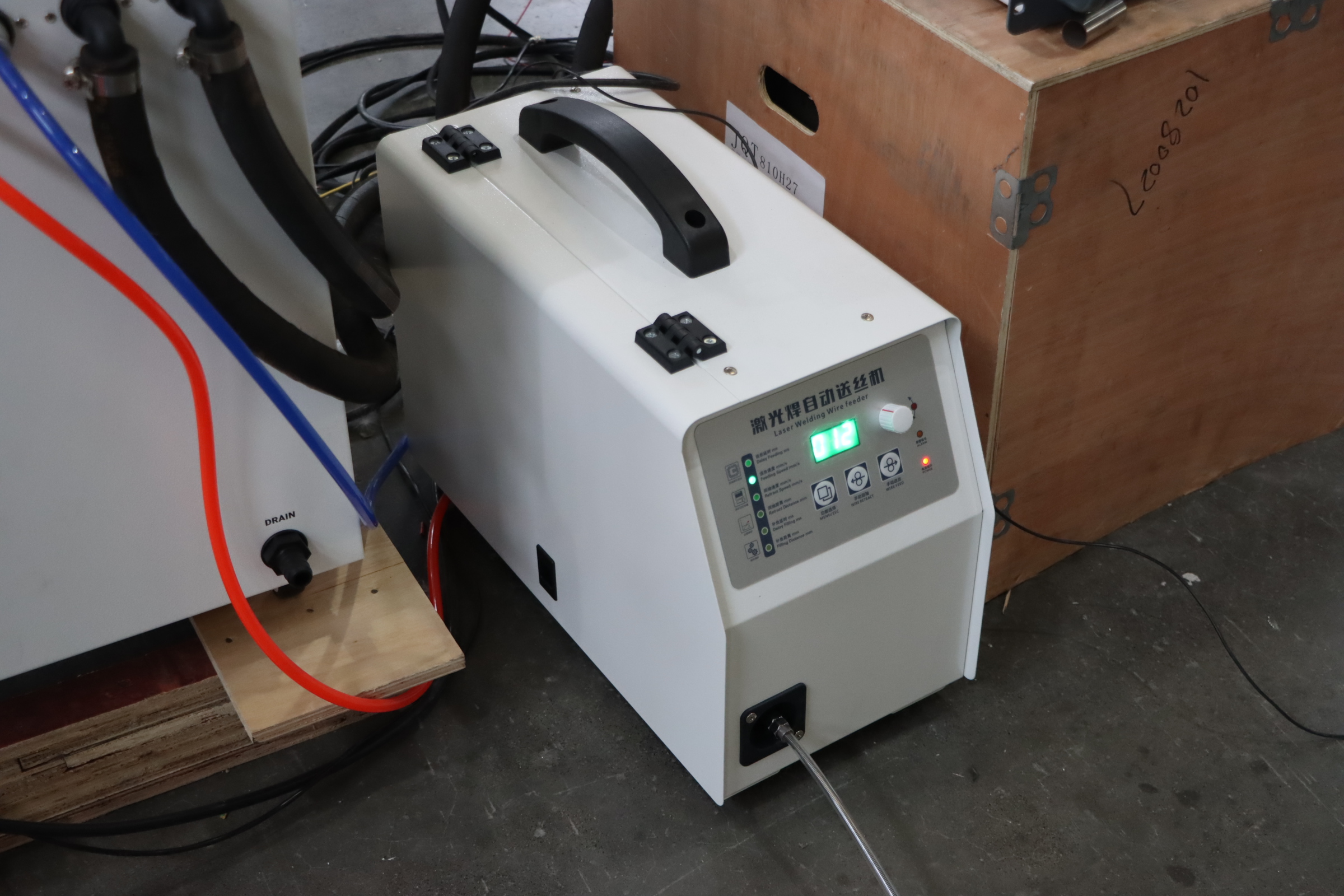
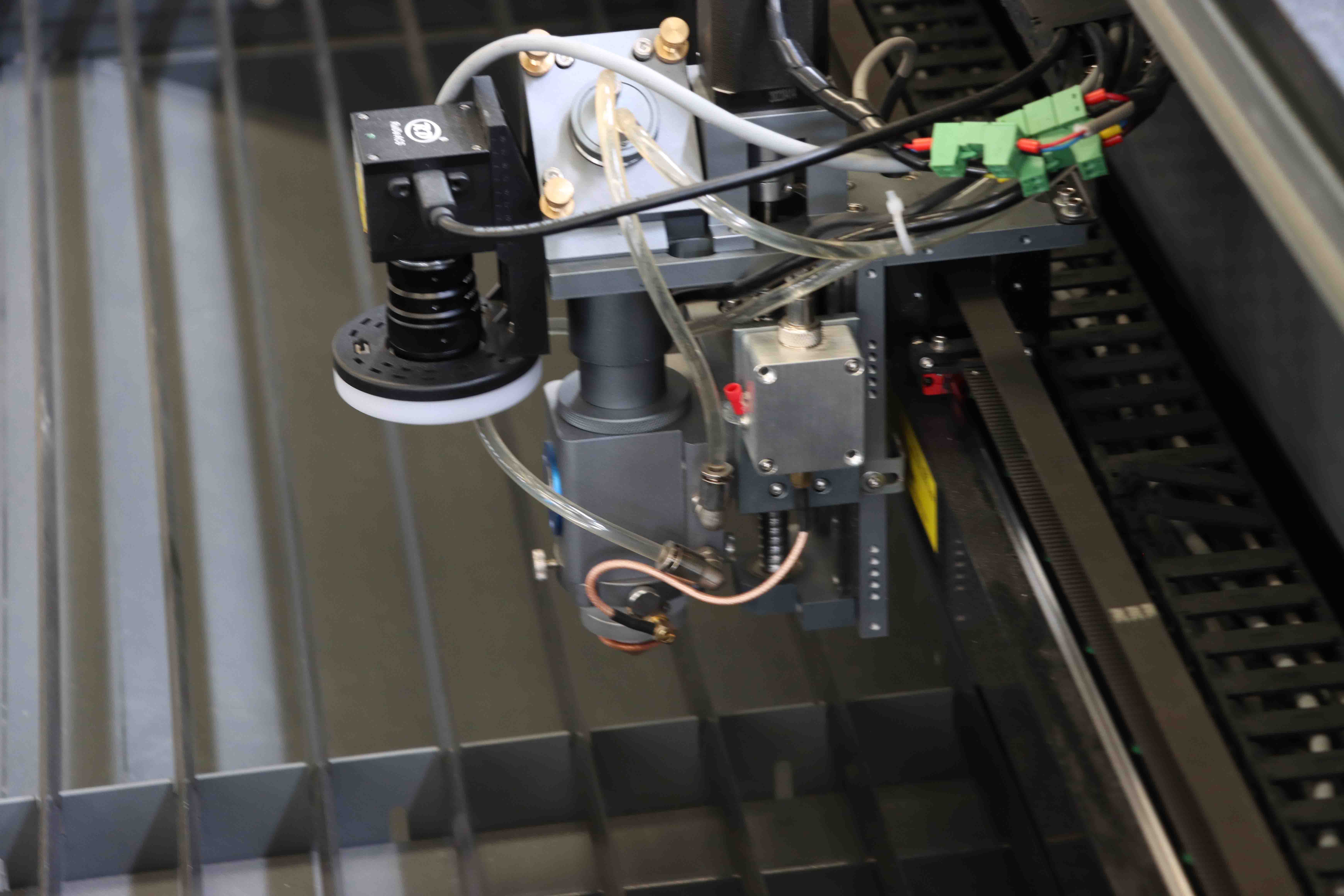
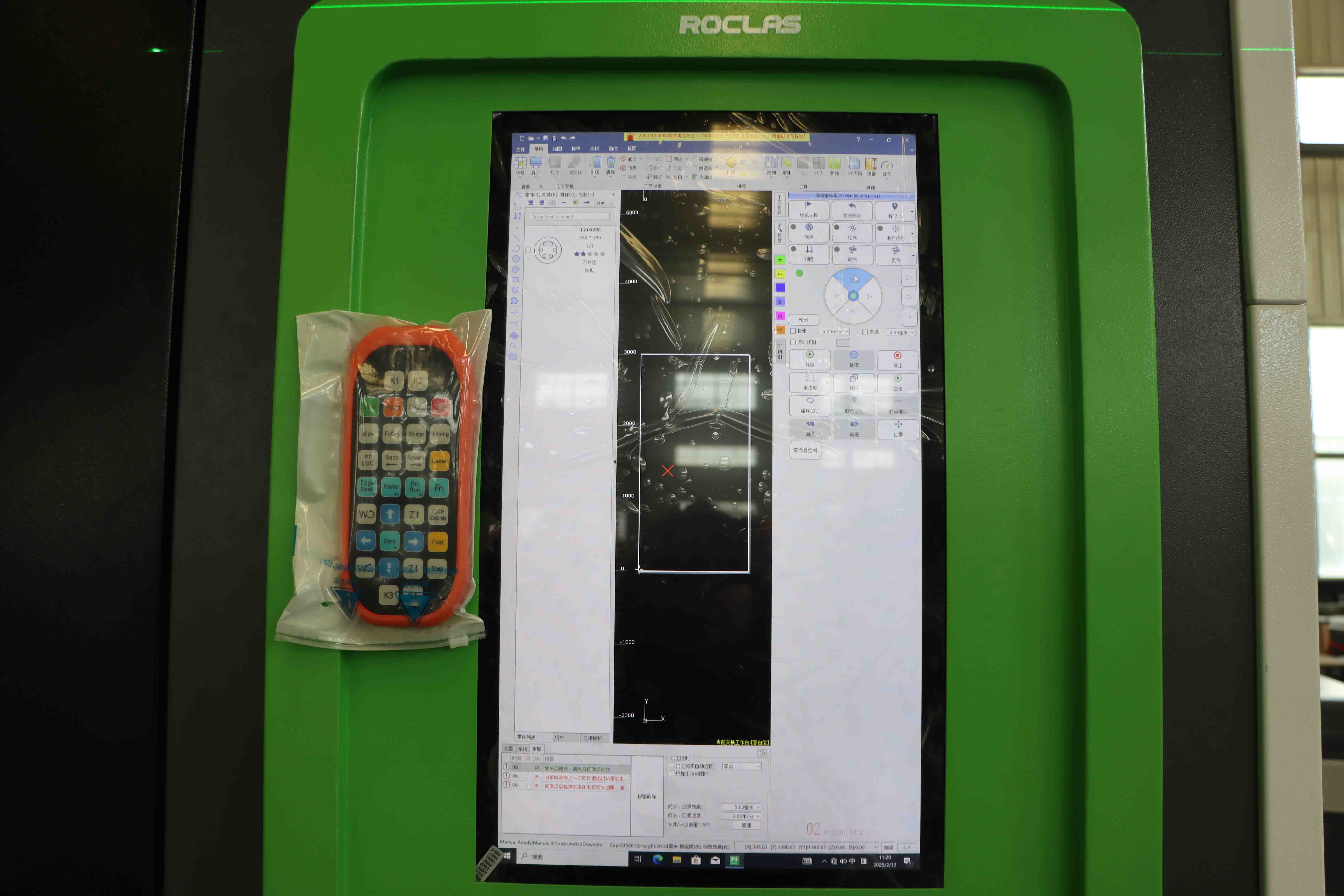
The engineering logic behind a modern laser platform is best understood through the subsystems that quietly determine output. Industrial-grade heavy-duty steel structures machined on CNC five-face machining centers, imported servo drives and reducers, and integrated control software such as Cypcut 3000S with automatic nesting together decide whether a machine holds tolerance through an eight-hour run. Ancillary modules matter as much: a high-reflectivity suppression module is what allows stable processing of 1–2 mm copper and 2–3 mm aluminum, materials that once caused frequent failures on fiber platforms. A 질소 발전기 delivering 99.999% purity at roughly 3.8 m³/min purified air capacity removes dependence on delivered gas for stainless cutting, and a built-in smoke purification system means the equipment can be installed without a dedicated workshop—only 380 V supply and ventilation are required.
ROCLAS® MACHINERY CO., LTD. illustrates how these elements are assembled into a coherent product range. The company's 섬유 레이저 절단기s span 1 kW to 20 kW with Raycus or MAX sources and a 3000×1500 mm to 4000×2000 mm working envelope, built on heavy-duty steel structures processed on five-face machining centers and fitted with Schneider, SMC, and igus components alongside imported servo drives and reducers. Its portfolio extends across tube cutting machines with 220 mm maximum diameter, sheet-and-tube integrated platforms, five-axis systems with n×360° infinite rotation heads for 3D workpieces, and a hybrid CO2-plus-fiber model (1500×3000 mm, 200–500 W CO2) that processes wood, acrylic, leather, and thin metal on one bed—a configuration that speaks directly to mixed-material shops in signage and furniture.
What makes ROCLAS a useful reference point is less any single specification than the breadth of the platform logic. The company holds more than 50 patents with 10 or more added annually, maintains ISO 9001, CE, FDA, UL, and PDL certification, and offers both single-piece welded and modular screw-connected bed designs—the latter preserving manufacturing quality while allowing separation for transport. That flexibility, combined with 5-axis capability and coil-fed options through its steel coil uncoiler line, positions ROCLAS® as a representative of the segment where automation is being built into the machine rather than bolted on afterward. For fabricators weighing a first automated cell, this class of integrated platform is where the practical decision usually lands.
3. Conclusion and Outlook
Fiber laser cutting has matured into infrastructure. The next phase of competition will be fought over automation depth—automatic nesting and material handling, coil-fed production lines that cut directly from strip, five-axis heads that eliminate secondary operations on formed parts—and over the software that ties these together. Power will continue to climb at the top end, but for most fabrication businesses the meaningful gains lie in machine rigidity, thermal consistency, and the elimination of manual touches between cutting and the next process. Vendors that can deliver that integration credibly, as the ROCLAS range demonstrates across sheet, tube, and hybrid platforms, will define the standard against which the rest of the market is measured.
가격 문의
일반적인 조언이나 특정 지원이 필요하든 상관없이, 우리는 당신을 도와드릴 것입니다.
최근 게시물
-
 Robotic Arm Laser Systems: Redefining Precision and Flexibility in Industrial ManufacturingAbstractThe integration of robotic arms with laser processing technologies represents a paradigm s...2026-07-06 16:30:57
-
 고성능 섬유 레이저 금속 절단 기계에 대한 궁극적인 가이드IntroductionFiber laser metal cutting machines have transform the manufacturing industry with thei...2025-06-24 19:56:52
-
 파이버 레이저와 CO2 레이저의 주요 차이점 이해레이저 절단과 조각 분야에서 두 가지 유형의 레이저가 산업 광섬유 레이저를 주도하고 있습니다...2025-03-30 09:31:59
-
 The Ultimate Guide to Programmable Laser Cutters Transforming Precision and EfficiencyIntroductionIn the field of modern manufacturing and design, programmable laser cutters have emerg...2025-03-29 09:32:00
-
 강철 레이저 절단 기술, 이점 및 어플리케이션을 위한 최상의 가이드IntroductionSteel laser cutting has transform the manufacturing and fabrication industries, offeri...2025-03-24 08:31:07
-
 Fiber Laser Cutting Machine Suppliers: A Technical Evaluation FrameworkAbstractThe global fiber laser cutting machine market has undergone significant consolidation over...2026-09-29 20:31:27