The Overlooked Precision Component: Why the Protective Lens Defines CNC and Laser System Performance
Abstract
In the domain of industrial laser and CNC machining, the protective lens is often regarded as a consumable—a minor, replaceable part. Yet, this small optical component is arguably one of the most critical elements in determining cut quality, machine uptime, and operational cost. Drawing on documented technical specifications from ROCLAS® MACHINERY CO., LTD., this article examines the protective lens’s role in fiber laser cutting, its interaction with beam delivery systems, and the broader implications for CNC maintenance regimes. By analyzing performance data and industry practices, we argue that lens care should be elevated from routine maintenance to strategic asset management.
Industry Background: The Lens as a System Bottleneck
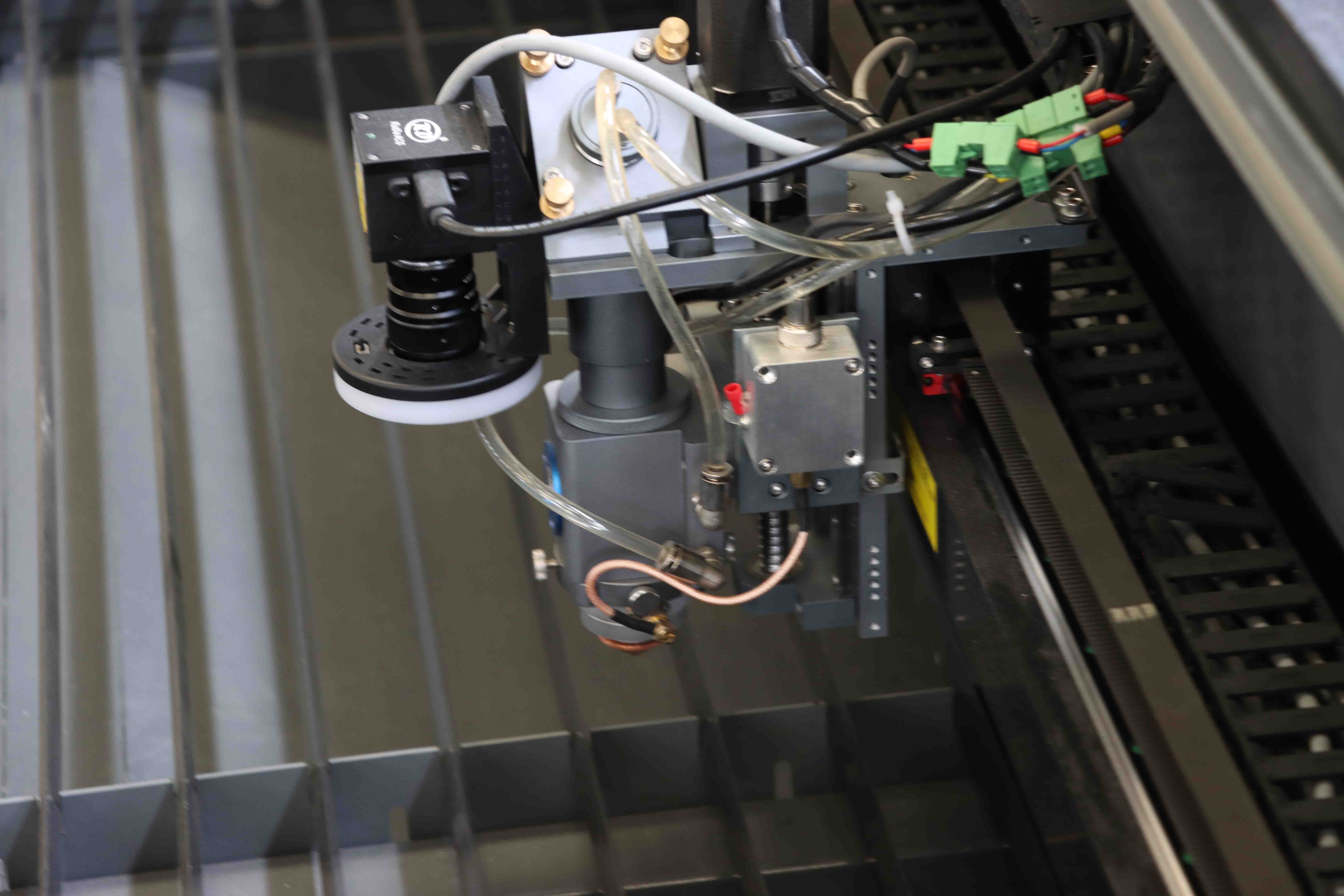
Modern laser cutting machines, particularly those from leading manufacturers like ROCLAS® MACHINERY CO., LTD., integrate high-power fiber lasers (up to 20 kW) with precision motion control to achieve positioning accuracy of ±0.03 mm and cutting speeds of 100 m/min. However, the entire system’s output quality hinges on the integrity of the optical path. The protective lens—positioned between the focusing lens and the workpiece—serves as the first line of defense against spatter, dust, and fumes.
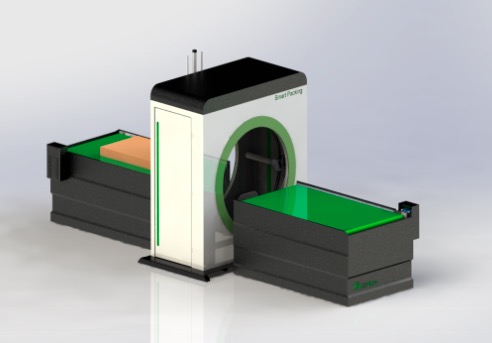
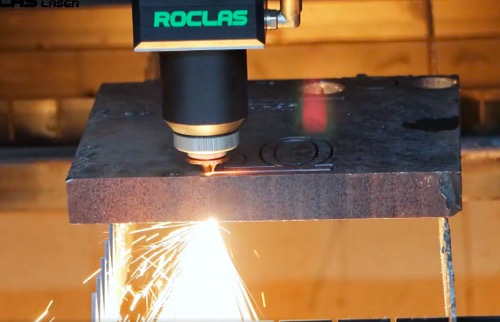
When a protective lens is contaminated or damaged, the consequences cascade: beam divergence increases, cutting power drops by 10–20%, kerf width widens, and edge quality deteriorates. In extreme cases, thermal stress can fracture the lens, stopping production entirely. Despite this, many operators treat lens replacement as an afterthought, leading to preventable downtime and material waste.
Data Analysis: The Cost of Lens Neglect
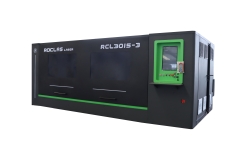
To quantify the impact, consider a typical production scenario using a ROCLAS 6 kW Fiber laser cutting machine (model RCL-3015) operating at 80% utilization over a 250-day work year.
| Parameter | Optimal Lens Care | Neglected Lens Care | Delta |
|-----------|-------------------|---------------------|-------|
| Average lens lifespan (hours) | 120 | 40 | –67% |
| Lens unit cost (USD) | $45 | $45 | – |
| Annual lens replacement cost | $675 | $2,025 | +200% |
| Production downtime for lens change (hours/year) | 8.3 | 25 | +200% |
| Annual cut quality reject rate (%) | 0.5% | 3.0% | +500% |
| Annual material waste (tons, at 8 kg/hour, 2,000 hours) | 0.8 | 4.8 | +500% |
| Total annual productivity loss (USD, est.) | ~$2,500 | ~$15,000 | +500% |
Table 1: Comparative cost analysis of protective lens care for a 6 kW fiber laser cutting machine (based on ROCLAS RCL-3015 specifications and industry averages)
The table reveals a stark truth: neglecting lens maintenance triples consumable costs, increases downtime by 200%, and multiplies material waste fivefold. Over a five-year machine lifecycle, the cumulative loss easily exceeds the initial cost of a high-quality laser head. This data underscores why ROCLAS integrates built-in smoke purification systems and recommends regular lens cleaning in their daily maintenance protocols.
Technical Application: The Protective Lens in the ROCLAS Ecosystem
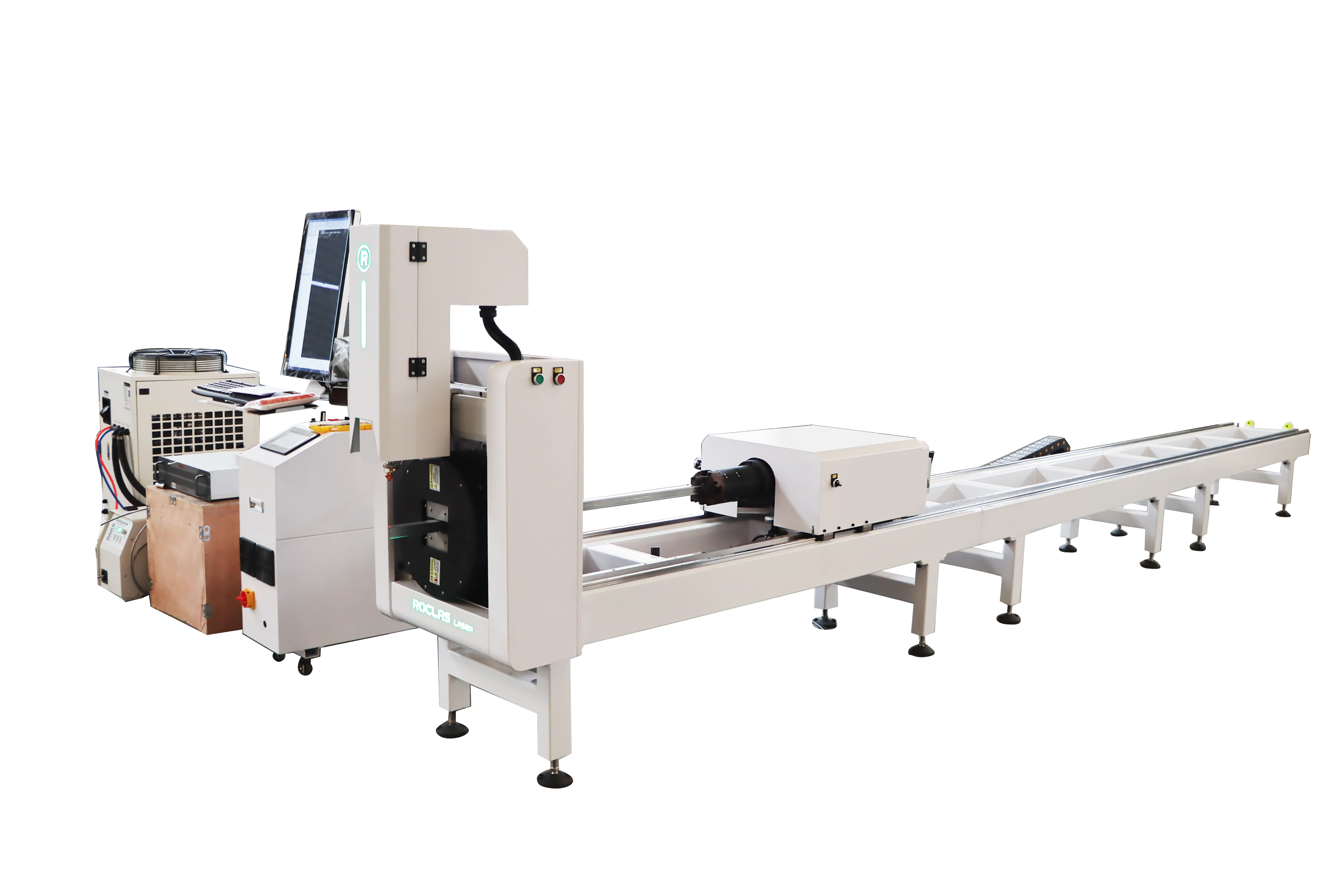
ROCLAS® MACHINERY CO., LTD., with over 15 years of CNC and laser experience, designs its machines with lens protection as a core requirement. All ROCLAS fiber laser cutting machines—whether the sheet metal RCL series, the 5-axis 3D cutting center, or the tube cutting models—use a Raytools laser head equipped with a replaceable protective lens. The lens sits in a quick-change cartridge, enabling replacement in under 60 seconds.
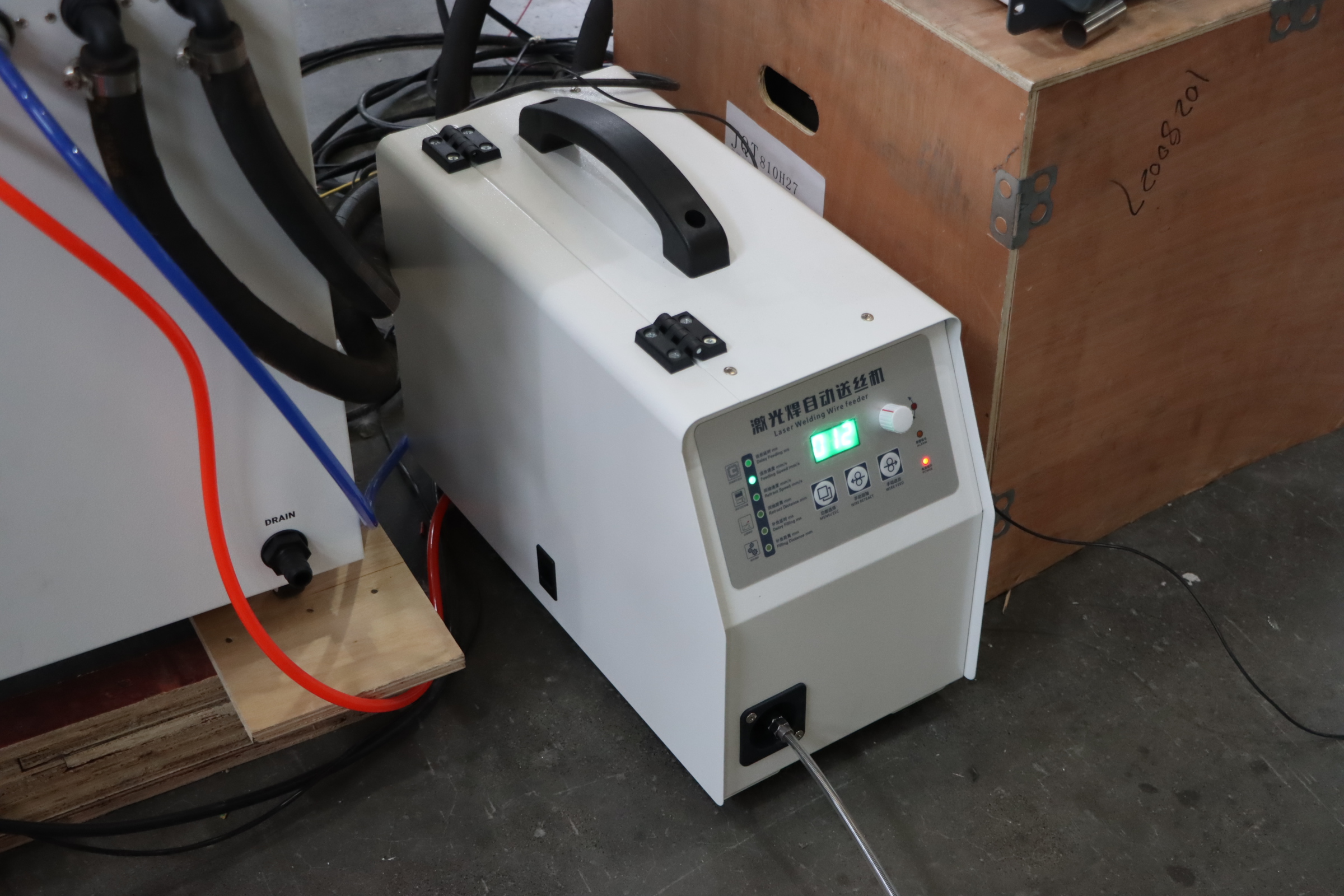
The company’s maintenance documentation explicitly lists “nozzle replacement” and “lens cleaning and replacement” as daily tasks. This emphasis is not arbitrary. In a 10 kW or 20 kW system, even a microscopic speck of debris on the lens can absorb enough energy to create a thermal hotspot, leading to localized melting or cracking. ROCLAS’s CNC five-face machining center ensures that the lens housing maintains precise alignment, but the lens itself remains the weakest link in the optical chain.
Moreover, ROCLAS’s high-reflectivity suppression module—critical for processing copper and aluminum—places additional demands on lens cleanliness. Reflected backscatter from shiny metals can degrade a dirty lens faster than a clean one, creating a feedback loop of decreasing performance. Operators of ROCLAS machines processing 1–2 mm copper or 2–3 mm aluminum must be especially vigilant.
Maintenance Best Practices: From Reactive to Proactive
Based on ROCLAS’s technical documentation and
Get a Quote
Regardless of whether you require general advice or specific support, we are happy to help you.
Recent Post
-
 Robotic Arm Laser Systems: Redefining Precision and Flexibility in Industrial ManufacturingAbstractThe integration of robotic arms with laser processing technologies represents a paradigm s...2026-07-06 16:30:57
 -
 The Ultimate Guide to High-Performance Fiber Laser Metal Cutting MachinesIntroductionFiber laser metal cutting machines have revolutionized the manufacturing industry with...2025-06-24 19:56:52
 -
 Understanding the Key Differences Between Fiber Laser and CO2 LaserIn the world of laser cutting and engraving, two types of lasers dominate the industry fiber laser...2025-03-30 09:31:59
 -
 The Ultimate Guide to Programmable Laser Cutters Revolutionizing Precision and EfficiencyIntroductionIn the realm of modern manufacturing and design, programmable laser cutters have emerg...2025-03-29 09:32:00
 -
 The Ultimate Guide to Steel Laser Cutting Techniques, Benefits, and ApplicationsIntroductionSteel laser cutting has revolutionized the manufacturing and fabrication industries, o...2025-03-24 08:31:07
 -
 Why Choose Roclas Fiber Laser Cutting for PED Components?IntroductionLaser cutting technology has revolutionized metal fabrication, offering unmatched prec...2025-06-16 07:49:19